
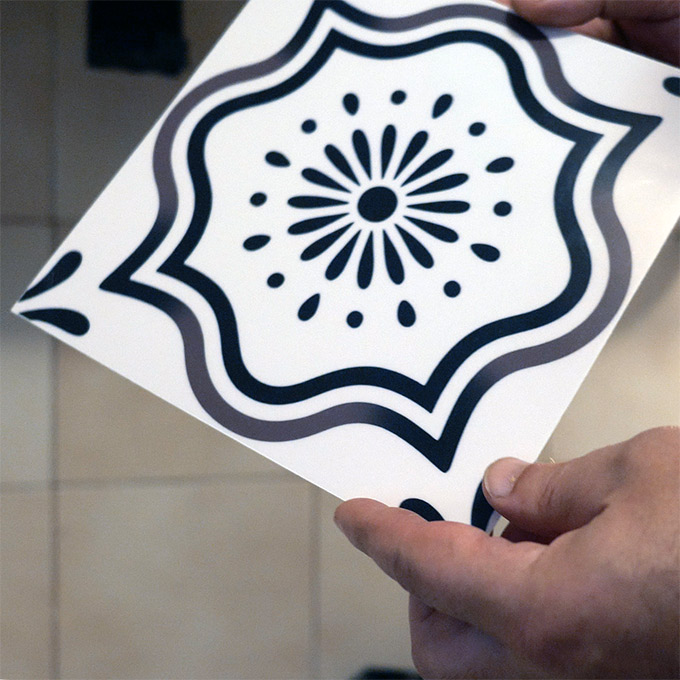
If your kitchen or bathroom tiles are looking a bit tired, a full renovation isn’t the only solution. We recently tested a much faster, budget-friendly approach: refreshing old tiles with PVC vinyl stickers. The results surprised us, offering the glossy, polished look of real ceramic tiles without the demolition mess.
First-Hand Impressions and Installation
Taking these stickers for a spin in our own kitchen space, we found the print quality to be excellent and well-protected against daily wear. They come in various standard sizes – like 15×15 cm, 20×20 cm, and 30×30 cm – making it easy to match your existing grid.
The installation is incredibly fast and straightforward. As you can see in our installation video, preparing the surface by simply cleaning the old tiles ensures a strong bond. Peeling the backing and applying the sticker directly over the tile takes just seconds. Once smoothed out, the space is instantly transformed.
A crucial tip for a flawless finish: these PVC stickers are designed to be slightly smaller than standard tiles to avoid overlapping the beveled edges. To make the transition seamless, choose a sticker with a background color that closely matches your original tiles. This way, the underlying edges blend right in. The final look around standard kitchen appliances proves just how effective this quick upgrade can be.
What Are Other Customers Saying?
To get a broader perspective, we analyzed the feedback on popular Amazon listings for these exact tile covers. The consensus highlights some clear best practices.
The Happy Customers: Users who love this product generally apply the stickers over existing, smooth surfaces—primarily old kitchen or bathroom tiles. They praise the cost-effectiveness, the immediate visual impact, and how easy the surface is to wipe clean. When placed over real tiles, the stickers borrow the natural grout lines and structure of the wall, creating a highly realistic look.
The Unhappy Customers: On the flip side, most negative reviews stem from the application method. Users who install these stickers directly onto bare drywall or painted walls often report that the final result looks flat and cheap. Without the natural depth and grout lines of an actual tile underneath, the stickers look exactly like what they are: flat decals. Additionally, applying them to textured walls often leads to poor adhesion and peeling corners over time.
Material Deep-Dive
Vinyl/PVC Compatibility and Durability
These stickers are made from Polyvinyl Chloride (PVC), a durable, water-resistant synthetic plastic. This material is what gives the stickers their glossy finish and protective upper layer.
Compatible Surfaces: For optimal adhesion and aesthetics, PVC stickers require flat, smooth, and non-porous surfaces. They are perfectly compatible with:
- Existing ceramic or porcelain tiles
- Glass or mirrors
- Smooth, sealed metal or acrylic panels
What degrades the material? While highly durable for a sticker, a few factors can degrade the print and adhesion:
- Abrasive Cleaning: Using harsh scouring pads or highly abrasive chemical cleaners will scratch the glossy protective layer and fade the print. Stick to soft cloths and mild soapy water.
- High Heat Exposure: While great for backsplashes, they should not be placed in direct contact with open flames or immediately adjacent to unshielded gas stove burners, as the PVC can warp, melt, or discolor.
- Excessive Moisture Seepage: They handle splashes perfectly, but submerging them or placing them in areas with standing water (like the inner walls of a shower stall) can cause water to seep under the adhesive edges, leading to peeling.
Our verdict
These vinyl stickers are a fantastic, low-stakes way to breathe new life into an outdated backsplash.
Let us know if you have any questions about our experience with them or the installation process!